AGP Executive Report
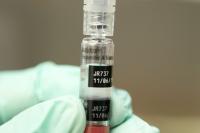
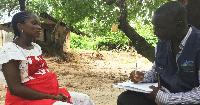
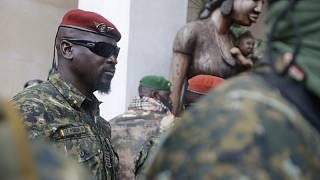
Last update: 5 hours agoGuinea-Bissau Vaccine Study: A controversial U.S.-funded hepatitis B trial involving newborns will not proceed after the government withheld approval. The plan would have delayed the birth dose for half of up to 14,000 infants. Judicial police searched the Bandim Health Project’s offices and seized vaccine doses as part of an investigation; police said the action alone does not establish any problem with vaccine quality, safety or effectiveness. Polio Prevention: The WHO warned that funding shortfalls and gaps in vaccination coverage threaten Africa’s polio-eradication efforts, urging governments and partners to sustain support.
Note: AI summary from news headlines; neutral sources weighted more to help reduce bias in the result. Feedback is welcome. Please let us know if you have any comments or suggestions about the AGP Executive Report.
 Perspectify News