

JASIWAY’s Tartan Plaid Sleeper Chair Emerges as a Breakout Trend in the U.S. Multifunctional Furniture Market for 2026
Sheridan, WY, April 03, 2026 (GLOBE NEWSWIRE) -- As living spaces across the United States continue to evolve in response to shrinking square footage, rising urbanization, and increasingly hybrid lifestyles, furniture that serves multiple roles is no longer a luxury—it’s emerging as a defining trend of 2026. Leading this movement is the JASIWAY Sleeper Sofa Chair: A Versatile 4-in-1 Folding Guest Bed, a compact yet highly functional solution gaining broad traction with consumers and designers alike. Featured across diverse retail channels, including the popular Wayfair Sleeper Sofa Chair, this design is reshaping expectations of what home furniture can accomplish.
From apartments in Manhattan to lofts in Austin, homeowners are seeking furniture that can comfortably support everyday living, facilitate work-from-home routines, host overnight guests, and optimize limited space—all without sacrificing style or durability.
A Furniture Category Fueled by Modern Living Realities
The global multifunctional furniture market is on a solid growth trajectory, driven by rising urbanization, smaller dwellings, and evolving consumer preferences. According to industry research, the global market was valued at approximately USD 7.2 billion in 2023 and is projected to reach around USD 11.2 billion by 2030, expanding at a compound annual growth rate (CAGR) of roughly 6.6% between 2024 and 2030.
Analysts attribute this growth to consumers desiring space-maximizing solutions, particularly in metropolitan areas where living space per person continues to decrease. Multifunctional furniture fulfills this need by offering more than one utility in a single item, such as sofas that convert into beds or chairs that double as guest sleeping surfaces—making them ideal for modern living environments where versatility is prioritized.
In North America, the demand is particularly strong. Reports indicate that the U.S. accounts for approximately 80% of the North American multifunctional furniture market, driven by compact urban apartments, increased disposable income, and a booming e-commerce furniture sector.
Changing Living Patterns: From Single-Purpose to Multi-Functional
Today’s homes are increasingly multifunctional. Living rooms double as offices by day and guest spaces by night; bedrooms may also serve as creative studios or workout zones. This fluidity has shifted consumer expectations: furniture must perform more than one role, and it must do so comfortably and stylishly.
“Consumers are no longer buying furniture purely for one use,” says real estate and lifestyle analyst Jordan Ellis. “They want pieces that adapt to how they live, work, and entertain. The days of single-purpose furniture are giving way to a more flexible, space-conscious approach.”
This real-world shift is reflected in how consumers shop and interact with furniture online and in stores. A growing number of buyers now seek solutions that can blend aesthetics with functionality—where a couch can become a bed, where seating can also be storage, and where adaptability is paramount to daily life.
The JASIWAY Sleeper Sofa Chair: Redefining Home Functionality
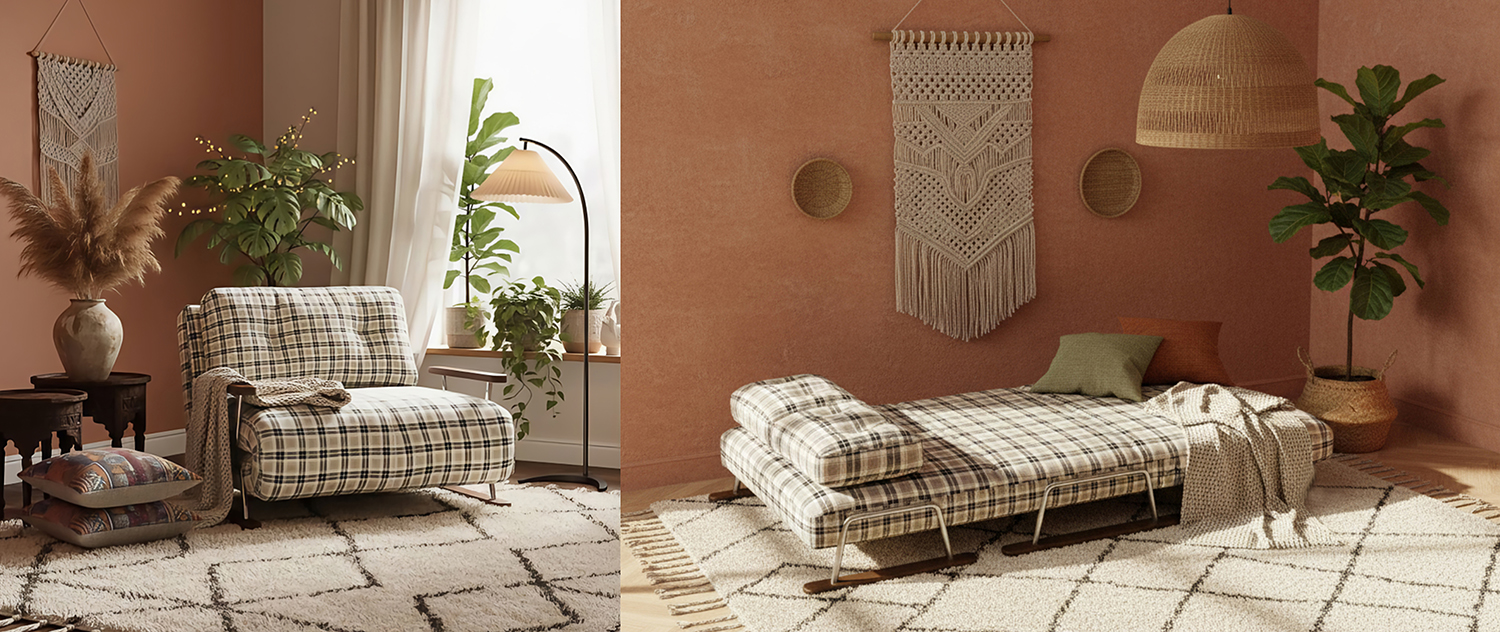
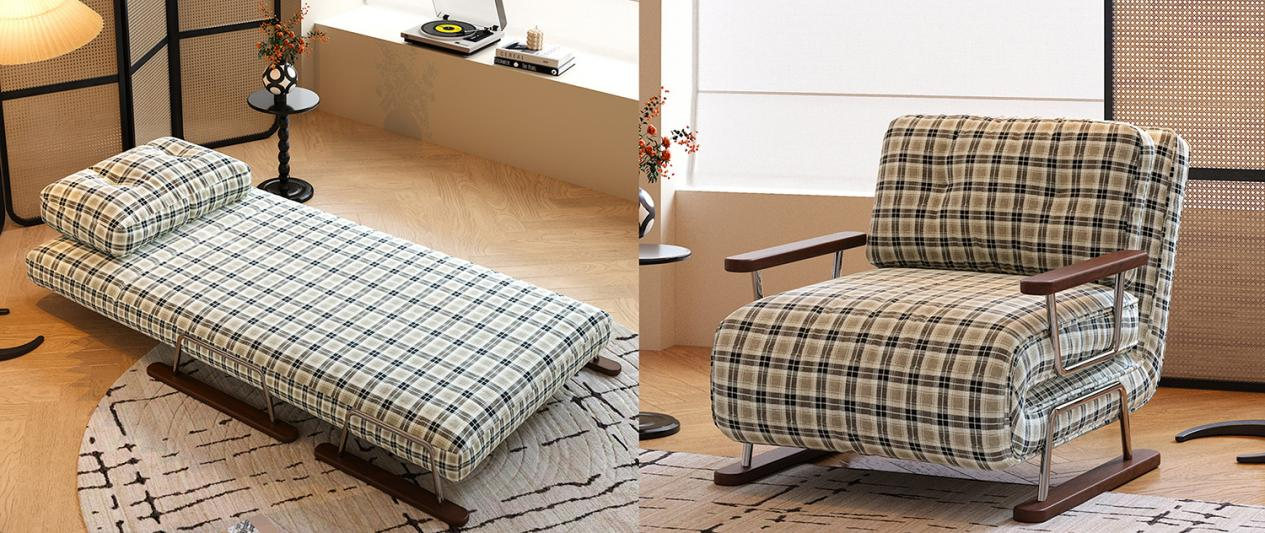
At the intersection of practical design and thoughtful engineering is the JASIWAY Sleeper Sofa Chair, crafted specifically for modern living environments. This innovative piece transitions seamlessly between four configurations:
- Upright accent chair — perfect for daytime seating
- Reclining lounge — ideal for reading, gaming, or casual relaxation
- Extended chaise — for stretched-out comfort
- Full guest bed — accommodating visitors with ease
Unlike traditional sleeper sofas, which often require significant effort to convert, this folding chair was designed with simplicity and usability in mind, making everyday transitions effortless.
“We designed the chair around how people actually use space in their homes,” explains Maria Santos, Head of Product Development at JASIWAY. “It’s not just about adding functions—it’s about enabling people to make the most of every square foot they have.”
The Aesthetic Appeal: Why Tartan Plaid Resonates
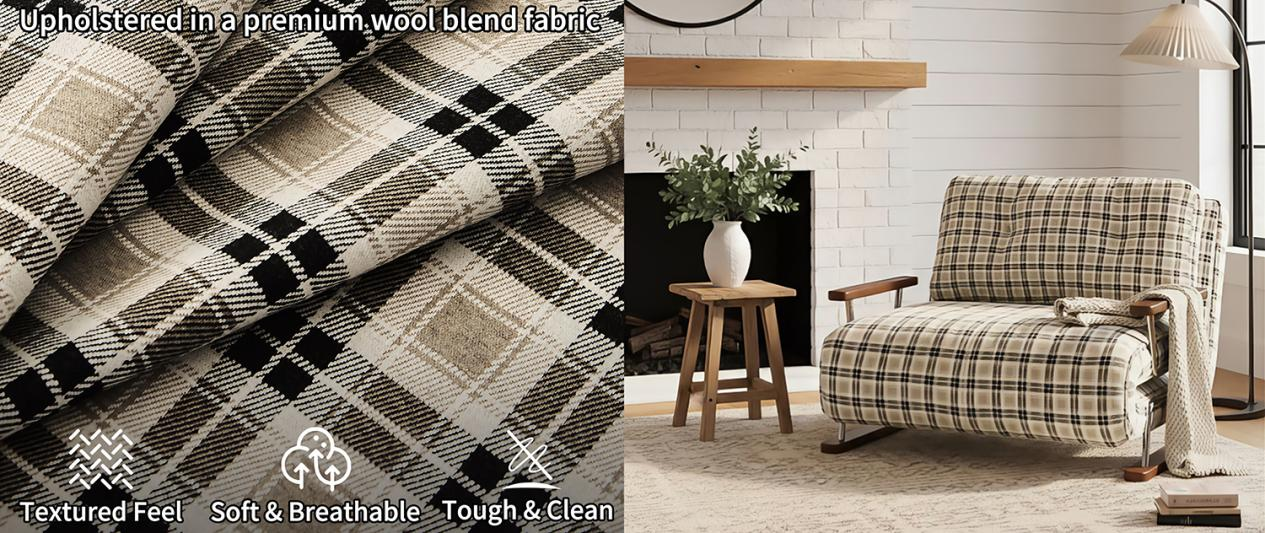
Beyond functionality, consumers are increasingly drawn to furniture that reflects personal style and comfort. The tartan plaid design adopted by JASIWAY blends classic patterning with modern sensibilities, offering visual warmth that anchors a room’s décor.
Interior design narratives in 2026 emphasize a balance between comfort and aesthetics, where visual appeal complements practical utility. As designers note, multifunctional pieces are no longer simply practical—they are integral to creating cohesive, expressive interiors.
This design trend aligns with broader movements in home decor that prioritize cozy, layered environments—especially as hybrid living patterns blur the lines between work, leisure, and rest.
The Urban Advantage: Small Spaces, Big Expectations
Urban centers continue to be hotspots for multifunctional furniture adoption. In cities like New York, Chicago, and San Francisco—where rental apartments often measure under 800 square feet—residents face persistent space constraints. Furniture that performs multiple functions without dominating a room has quickly become a top consumer priority.
Multifunctional designs have also gained popularity due to remote and hybrid work trends. When homes double as workplaces, pieces like folding sleeper chairs act as both productive furniture and personal comfort spaces, making them especially valuable to professionals working from compact urban homes.
“Hybrid working has fundamentally changed how we perceive living spaces,” notes lifestyle expert Caitlin Reeves. “Today’s consumers want furniture that supports every part of their day—from morning Zoom calls to evening relaxation—without feeling bulky or obsolete.”
Data-Driven Growth: Multifunctional Furniture Is Not a Fad
Industry research shows that multifunctional furniture is more than a passing trend; it’s a sustainable segment within the broader furniture landscape. As homes adapt to smaller footprints and flexible usage, the need for space-saving, dual-purpose designs continues to grow.
Market forecasts suggest that by 2030, the multifunctional furniture category will reach USD 11.21 billion globally, a significant increase from current valuation. Within this broad category, convertible seating and sleeper furniture remain among the most popular sub-segments, reflecting practical consumer preferences for seating that also functions as temporary bedding—especially in households without dedicated guest rooms or spare beds.
Moreover, as consumers become more design-conscious, they are no longer willing to compromise on visual quality for practicality. Today’s multifunctional furniture balances both, offering comfortable materials, thoughtful engineering, and contemporary design—making pieces like the JASIWAY sleeper chair a smart choice for small living spaces as well as larger family homes seeking adaptable guest seating.
Real Stories: How Multifunctional Furniture Changes Daily Life
Consider the experience of Emma and Lucas Delgado, a young couple living in a 650-square-foot apartment in Denver. With limited space and frequent visits from friends and family, they initially struggled to find furniture that would work for daily lounging and occasional overnight guests without consuming valuable living space.
“We needed something that looked good, was comfortable, and didn’t take up half the apartment,” Lucas says. “The JASIWAY sleeper chair has become the heart of our living room. It’s our go-to seat during the day, and it effortlessly converts into a guest bed at night when our parents come to visit.”
Emma adds, “We hosted game night last month and converted it into a chaise lounge for everyone—it made the evening feel so much more relaxed. It’s like having four pieces of furniture in one.”
Stories like the Delgados’ highlight how multifunctional solutions are crossing beyond utility into meaningful lifestyle improvements—reducing clutter while enhancing flexibility and comfort.
Market Dynamics: What Is Driving Consumer Decisions?
Several forces are driving the expansion of multifunctional furniture adoption in the U.S.:
- Urbanization and Smaller Living Spaces
As more people move into metropolitan areas, living units tend to shrink, increasing the demand for versatile and space-saving furniture.
- Remote and Hybrid Work
With work-from-home becoming a permanent part of many professional routines, furniture must support both productivity and relaxation.
- High Cost of Living
Economic pressures make it impractical for many households to purchase multiple large furniture pieces, creating demand for items that serve multiple purposes.
- Online Shopping and Digital Research
Consumers increasingly research products online, often comparing multiple adaptable furniture solutions before purchasing. This trend supports brands that provide detailed product narratives and clear demonstrations of usability.
Retail Landscape: Where Consumers are Finding Multifunctional Furniture
Platforms like Wayfair have played a significant role in popularizing multifunctional furniture solutions to a broad audience. Curated selections of convertible chairs, sleeper sofas, and space-efficient accent furniture demonstrate how consumer interest has evolved toward adaptability and design quality.
At the same time, direct-to-consumer channels continue to gain importance for brands seeking deeper engagement and repeat customers. On JASIWAY’s own site, the JASIWAY Official Tartan Plaid Accent Chair page offers detailed product insights, usage scenarios, and lifestyle imagery that helps buyers envision the chair in their homes.
This dual-channel strategy—blending marketplace visibility with brand-owned storytelling—reflects a broader trend in retail that combines reach with narrative depth.
Looking Ahead: Sleeper Furniture and Beyond
Multifunctional furniture did not emerge overnight, nor will it remain static. Industry forecasts project sustained growth driven by ongoing urbanization and consumer expectations for design that expands the usability of every square inch of living space. Convertible seating, modular systems, and integrated storage solutions are expected to evolve further, incorporating smarter engineering, materials innovation, and ergonomic improvements.
In fact, as technology and design blend more closely, future multifunctional pieces may offer integrated smart features that elevate comfort, usability, and connectivity—making homes even more responsive to their occupants’ changing needs.
About JASIWAY
JASIWAY is a global home furnishings brand specializing in modern, multifunctional furniture designed for contemporary living. The company offers a wide range of products, including space saving sleeper sofas, adaptive seating solutions, and modular furnishings that reflect the evolving needs of today’s homes. Guided by craftsmanship, innovation, and user centric design, JASIWAY continues to redefine how furniture enhances life in compact and multifunctional spaces.

Tommy F.
service@jasiway.com

Legal Disclaimer:
EIN Presswire provides this news content "as is" without warranty of any kind. We do not accept any responsibility or liability for the accuracy, content, images, videos, licenses, completeness, legality, or reliability of the information contained in this article. If you have any complaints or copyright issues related to this article, kindly contact the author above.
